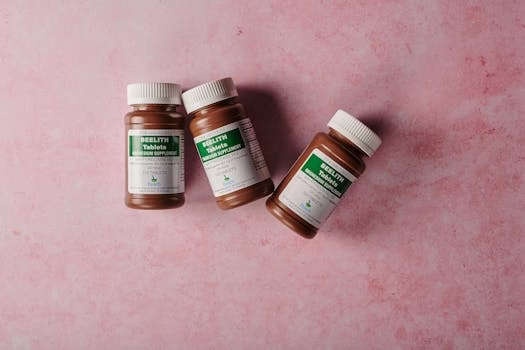
Magnesium may not get as much attention as calcium or iron, but it plays a very important role in a woman’s overall health. From supporting hormones and sleep to easing period pain and stress, magnesium quietly works behind the scenes every day.
As a gynaecologist, I often see women struggling with fatigue, cramps, poor sleep, or anxiety—without realizing that low magnesium levels could be part of the reason. Let’s understand why magnesium is so important and how it benefits women at different stages of life.
What Is Magnesium and Why Do We Need It?
Magnesium is an essential mineral involved in more than 300 functions in the body. It helps with:
- Muscle relaxation
- Nerve function
- Energy production
- Bone strength
- Hormone regulation
Because women experience hormonal changes throughout life—menstruation, pregnancy, perimenopause, and menopause—their magnesium needs are often higher.
Common Signs of Low Magnesium in Women
Many women may have low magnesium without realizing it. Some common signs include:
- Frequent muscle cramps or leg pain
- Constant tiredness or low energy
- Poor sleep or difficulty falling asleep
- Headaches or migraines
- Anxiety, irritability, or mood swings
- Painful periods or PMS symptoms
If these symptoms sound familiar, magnesium levels are worth discussing with your doctor.
Key Benefits of Magnesium for Women
1. Supports Hormonal Balance
Magnesium helps regulate estrogen and progesterone, the key female hormones. Adequate magnesium levels can reduce:
- Mood swings
- Bloating
- Breast tenderness
- PMS discomfort
2. Helps Reduce Period Cramps
Magnesium relaxes muscles and improves blood flow. This can:
- Reduce the intensity of menstrual cramps
- Decrease reliance on painkillers for some women
3. Improves Sleep Quality
Magnesium calms the nervous system and supports the production of melatonin, the sleep hormone. Women with magnesium deficiency often struggle with:
- Insomnia
- Restless sleep
- Frequent night awakenings
4. Reduces Stress and Anxiety
Modern life places women under constant stress—balancing work, family, and health. Magnesium supports brain function and helps the body respond better to stress, improving emotional well-being.
5. Strengthens Bones
Magnesium works closely with calcium and vitamin D to maintain bone density. This becomes especially important:
- During perimenopause and menopause
- For preventing osteoporosis later in life
6. Benefits During Pregnancy
During pregnancy, magnesium may help:
- Reduce leg cramps
- Support muscle and nerve function
- Maintain healthy blood pressure
⚠️ Important: Magnesium supplements during pregnancy should only be taken under medical supervision.
7. Supports Heart and Blood Sugar Health
Magnesium helps:
- Regulate blood pressure
- Improve insulin sensitivity
- Support heart rhythm
This is particularly helpful for women with PCOS, gestational diabetes, or a family history of diabetes.
Magnesium Needs at Different Stages of a Woman’s Life
- Teenage years: Helps with painful periods and PMS
- Reproductive age: Supports fertility, stress management, and energy
- Pregnancy: Helps with cramps and muscle relaxation
- Perimenopause & menopause: Improves sleep, mood, and bone health
Natural Food Sources of Magnesium
You can boost magnesium naturally through your diet:
- Nuts and seeds (almonds, pumpkin seeds)
- Green leafy vegetables (spinach)
- Whole grains
- Legumes (beans, lentils)
- Dark chocolate (in moderation)
A balanced diet is always the best first step.
Do You Need Magnesium Supplements?
Some women may benefit from supplements, especially if dietary intake is low or symptoms are persistent. However:
- Supplements should never be self-prescribed
- Different forms of magnesium exist, and not all suit everyone
- Excess intake can cause digestive issues
Always consult your doctor before starting supplements.
When Should You See a Doctor?
You should seek medical advice if you have:
- Persistent cramps, fatigue, or sleep problems
- Severe PMS or mood changes
- Pregnancy or breastfeeding
- Existing medical conditions
Your doctor can guide you on whether magnesium supplementation is right for you.
Final Thoughts: A Small Mineral with Big Benefits
Magnesium may be small, but its impact on women’s health is significant. From easing cramps and improving sleep to supporting hormones and bone health, it plays a vital role at every stage of life.
If you’re feeling “off” without a clear reason, don’t ignore it. Sometimes, restoring a simple nutritional balance can make a big difference.
Always listen to your body—and seek professional guidance when needed.

Dr. Mamta Pattnayak is working as a Additional Director in Gynae and Obstetrics Dept. in Fortis Hospital, Gurgaon. Dr. Mamta Pattnayak is an MBBS graduate from S.C.B. Medical College, Cuttack and completed her MD (Obstetrics & Gynaecology) from Sambalpur University in 2003. With a rich experience of over years to her credit, Dr. Mamta has undergone training on advance lap Gynae by Ethicon. Done hand’s on Colposcopy course by RCOG. She is certified as a mentor in RCOG training course in Max Hospital Saket. Dr. Mamta has been associated with several organizations like Moolchand Hospital, New Delhi besides others. Her last assignment was at Max Super Specialty Hospital, Saket, New Delhi. Recently she has also started her private clinic at: Mother’s Touch HealthCare Centre: 395P, Sector 39 Rd, opposite to Medanta Hospital, near Gurudwara, Sector 39, Gurugram, Haryana 122004