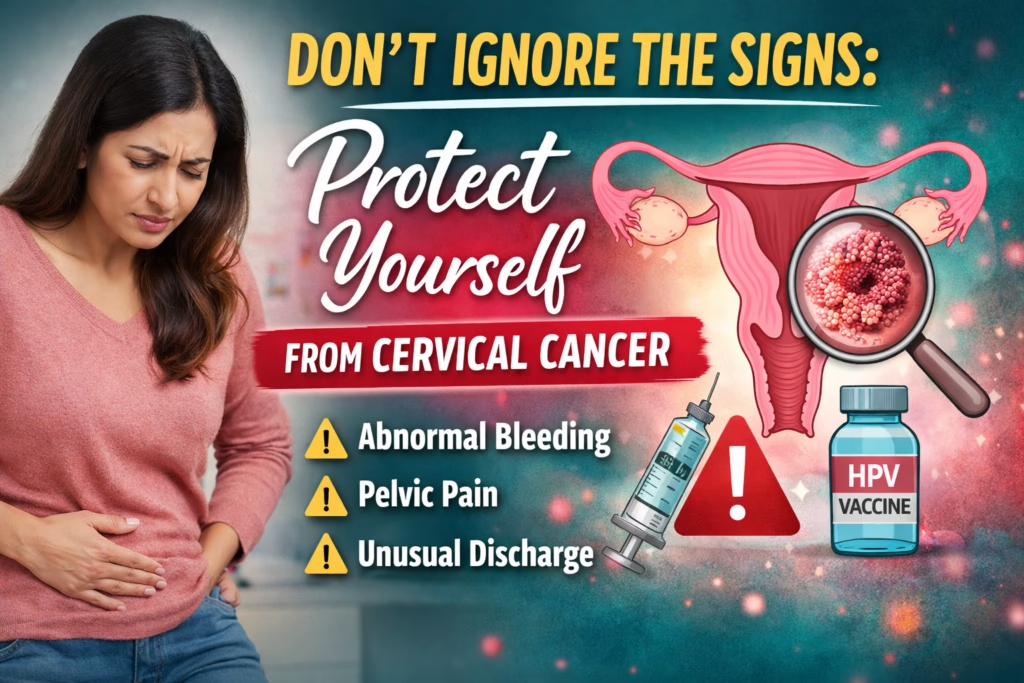
Cervical cancer is one of the most common cancers affecting women, especially in developing countries. The good news is that it is one of the most preventable and treatable cancers—if detected early.
As a gynaecologist, I often see women who are unaware of the importance of regular screening. Many ignore early symptoms because they seem minor. This blog aims to help you understand cervical cancer in simple terms—so you can protect yourself and the women you care about.
What Is Cervical Cancer?
Cervical cancer is a type of cancer that develops in the cervix, which is the lower part of the uterus that connects to the vagina.
It usually develops slowly over time. Before cancer forms, the cells of the cervix go through changes called precancerous changes. These changes can be detected early with proper screening and treated before they become cancer.
What Causes Cervical Cancer?
The main cause of cervical cancer is a long-term infection with certain types of Human Papillomavirus (HPV).
HPV is a very common virus that spreads through sexual contact. In most women, the body clears the virus naturally. However, in some cases, high-risk types of HPV persist and may lead to cervical cancer over several years.
Risk factors include:
- Early sexual activity
- Multiple sexual partners
- Smoking
- Weak immune system
- Long-term use of birth control pills (slightly increased risk)
- Not getting regular Pap smear tests
It’s important to remember that having HPV does not mean you will definitely get cancer—but regular screening is essential.
Early Signs and Symptoms
One of the reasons cervical cancer is dangerous is that early stages often have no symptoms.
As the condition progresses, you may notice:
- Bleeding between periods
- Bleeding after intercourse
- Bleeding after menopause
- Unusual vaginal discharge (watery, foul-smelling, or blood-stained)
- Pelvic pain
- Pain during intercourse
If you experience any of these symptoms, please consult a doctor immediately. Do not ignore abnormal bleeding.
Why Regular Screening Is So Important
The most effective way to prevent cervical cancer is through regular screening.
Pap Smear Test
A Pap smear is a simple test that collects cells from your cervix to check for abnormal changes.
- It takes only a few minutes
- It is usually not painful
- It can detect precancerous changes early
Most women should begin screening at age 21 and continue as advised by their doctor.
HPV Testing
In some cases, doctors may also test for high-risk HPV types. This helps identify women who need closer monitoring.
Early detection through these tests can prevent cervical cancer completely.
HPV Vaccine: A Powerful Prevention Tool
The HPV vaccine protects against the types of HPV that most commonly cause cervical cancer.
Who should get vaccinated?
- Ideally given between ages 9–14
- Can be given up to age 26 (and sometimes beyond, depending on individual cases)
The vaccine is safe and effective. It does not encourage early sexual activity—a common myth. Instead, it protects future health.
Even vaccinated women should continue regular screening.
Treatment Options
If cervical cancer is detected, treatment depends on the stage.
Early-stage cancer:
- Surgery may be enough
- Cure rates are very high
Advanced stages:
- Radiation therapy
- Chemotherapy
- Combination treatments
With advances in medicine, many women respond very well to treatment—especially when diagnosed early.
How to Reduce Your Risk
You can lower your risk of cervical cancer by:
- Getting regular Pap smear tests
- Taking the HPV vaccine
- Practicing safe sex
- Avoiding smoking
- Maintaining good overall health
Small preventive steps today can save your life tomorrow.
When Should You See a Doctor Immediately?
Seek medical help if you have:
- Any abnormal vaginal bleeding
- Bleeding after menopause
- Persistent pelvic pain
- Unusual discharge
Do not wait for symptoms to worsen.
Final Thoughts: Cervical Cancer Is Preventable
Cervical cancer is not something to fear—but something to be aware of.
With regular screening, vaccination, and early treatment, it is highly preventable and treatable. As women, we often prioritize everyone else’s health before our own. But your health matters too.
If you haven’t had a Pap smear yet, consider scheduling one. Encourage your daughters, sisters, and friends to get vaccinated and screened.
Prevention truly saves lives.
Presentation on Cervical Cancer by Dr. Mamta Pattnayak:

Dr. Mamta Pattnayak is working as a Additional Director in Gynae and Obstetrics Dept. in Fortis Hospital, Gurgaon. Dr. Mamta Pattnayak is an MBBS graduate from S.C.B. Medical College, Cuttack and completed her MD (Obstetrics & Gynaecology) from Sambalpur University in 2003. With a rich experience of over years to her credit, Dr. Mamta has undergone training on advance lap Gynae by Ethicon. Done hand’s on Colposcopy course by RCOG. She is certified as a mentor in RCOG training course in Max Hospital Saket. Dr. Mamta has been associated with several organizations like Moolchand Hospital, New Delhi besides others. Her last assignment was at Max Super Specialty Hospital, Saket, New Delhi. Recently she has also started her private clinic at: Mother’s Touch HealthCare Centre: 395P, Sector 39 Rd, opposite to Medanta Hospital, near Gurudwara, Sector 39, Gurugram, Haryana 122004