
Motherhood After 35 Is More Common Than Ever
If you’re thinking about having a baby after 35, you are not alone. Today, more women choose to start their families later in life due to career goals, personal timelines, or finding the right partner.
Yes, pregnancy after 35 is medically called “advanced maternal age,” but that does not mean infertility or high-risk by default. Millions of women conceive naturally and deliver healthy babies after 35.
The key is knowledge, preparation, and good medical care. Let’s walk through everything you should know.
Why Fertility Changes After 35
As women age, certain natural changes affect the chances of conception:
1. Reduced Egg Reserve
Women are born with all the eggs they will ever have. After 35, the number declines more quickly.
2. Changes in Egg Quality
Eggs may not fertilize or divide as easily as they did in younger years, which can affect conception.
3. Hormonal Fluctuations
Ovulation can become less predictable with age.
4. Health Conditions Become More Common
Fibroids, endometriosis, thyroid issues, or PCOS may appear or worsen over time.
But remember — every woman is different. Many women in their late 30s or early 40s conceive without any difficulty.
What Are My Chances of Getting Pregnant?
Your chances depend on age, health, ovulation, and partner’s fertility.
To keep it simple:
- At 35: Many women conceive naturally within 6–12 months
- After 38: Chances slow down, but pregnancy is still very possible
- After 40: Fertility declines more sharply, yet thousands of healthy pregnancies occur each year
The goal is not to scare you — but to help you understand your body better so you can make informed decisions.
The Benefits of Getting Pregnant After 35
It’s not all risks!
Women who conceive later often enjoy:
- More emotional readiness
- Financial stability
- Maturity and confidence in parenting
- Stronger self-awareness
- Better support systems
There are real advantages that many younger mothers may not have.
Possible Risks to Be Aware Of (Explained Gently)
While pregnancy after 35 is safe for most women, certain risks can increase.
Awareness helps us manage them early.
For the Mother
- Gestational diabetes
- High blood pressure or preeclampsia
- Higher chance of C-section
- Miscarriage risk slightly increases
For the Baby
- Slightly higher risk of chromosomal conditions
- Preterm birth
- Low birth weight
Reassurance:
With good prenatal care, timely screening, and regular check-ups, these risks can be significantly reduced.
Tips to Improve Your Chances of Conceiving After 35
1. Track Your Ovulation
Use apps, ovulation kits, or simply observe your body signs.
2. Maintain a Healthy Weight
Both overweight and underweight women may face difficulties.
3. Eat a Balanced Diet
Focus on protein, whole grains, healthy fats, fruits, and vegetables.
4. Exercise Regularly
Walking, yoga, and strength training can enhance fertility.
5. Avoid Smoking & Limit Alcohol
Both directly impact egg quality and hormones.
6. Take Prenatal Vitamins
Folic acid, Vitamin D, and Omega-3 are especially helpful.
7. Reduce Stress
Chronic stress can affect hormone balance and ovulation.
Small changes can make a big difference.
When Should You See a Doctor?
If you’re over 35 and trying to conceive, you should consult a gynaecologist if:
- You’ve been trying for 6 months without success
- Your periods are irregular or absent
- You have a history of miscarriages
- You have PCOS, thyroid issues, or endometriosis
- You experience severe period pain
- Your partner has known fertility issues
Getting evaluated early saves time and prevents unnecessary stress.
Fertility Tests You May Be Offered
Don’t worry — these are simple, routine tests:
- AMH test – To check ovarian reserve
- Antral follicle count (ultrasound) – Egg count estimate
- Hormone profile – To ensure ovulation
- HSG test – To check if fallopian tubes are open
- Semen analysis – For partner evaluation
These tests help us guide you better — not scare you.
Treatment Options If Needed
If you need help conceiving, several effective options are available:
- Ovulation induction (tablets/injections to support ovulation)
- IUI (Intrauterine insemination)
- IVF
- Fertility-enhancing surgery (for fibroids, endometriosis, cysts)
- Egg freezing (for women planning pregnancy later)
It’s important to remember:
These are options, not compulsory steps.
Many women over 35 conceive naturally without treatment.
Having a Safe & Healthy Pregnancy After 35
Once you conceive, here is how we support you:
- Early and regular antenatal visits
- Screening tests for the baby
- Monitoring blood pressure & diabetes
- Growth scans
- Healthy lifestyle guidance
- Emotional support
With proper care, pregnancy after 35 can be smooth, joyful, and fulfilling.
Final Thoughts: Age Is Just One Part of Your Story
If you’re planning pregnancy after 35, please know this:
You are not “late,” you are not “risky,” and you are certainly not alone.
Your overall health, your mindset, and your medical support matter far more than just your age.
Many women over 35 go on to have perfectly healthy pregnancies and beautiful, healthy babies.
If you need guidance, I’m always here to support you every step of the way.
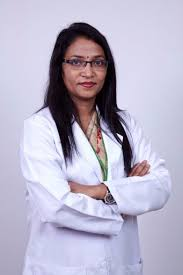
Dr. Mamta Pattnayak is working as a Additional Director in Gynae and Obstetrics Dept. in Fortis Hospital, Gurgaon. Dr. Mamta Pattnayak is an MBBS graduate from S.C.B. Medical College, Cuttack and completed her MD (Obstetrics & Gynaecology) from Sambalpur University in 2003. With a rich experience of over years to her credit, Dr. Mamta has undergone training on advance lap Gynae by Ethicon. Done hand’s on Colposcopy course by RCOG. She is certified as a mentor in RCOG training course in Max Hospital Saket. Dr. Mamta has been associated with several organizations like Moolchand Hospital, New Delhi besides others. Her last assignment was at Max Super Specialty Hospital, Saket, New Delhi. Recently she has also started her private clinic at: Mother’s Touch HealthCare Centre: 395P, Sector 39 Rd, opposite to Medanta Hospital, near Gurudwara, Sector 39, Gurugram, Haryana 122004