If you’ve ever been told your iron is “a bit low” or that you’re “borderline anemic,” you’re not alone. For many women, iron deficiency and anemia are confusing, overlapping terms that are often used interchangeably—even though they’re not the same thing. This confusion can lead to missed diagnoses, lingering symptoms, and years of feeling exhausted, foggy, or unwell without clear answers.
Understanding the difference between iron deficiency and anemia is especially important for women because our bodies go through unique hormonal and physiological changes that significantly affect iron levels. Menstruation, pregnancy, breastfeeding, and even dietary trends can quietly drain iron stores long before standard blood tests raise red flags.
In this in-depth guide, we’ll break everything down clearly and simply—what iron deficiency really means, how it differs from anemia, why women are more vulnerable, how each condition is diagnosed and treated, and what you can do to protect your long-term health.
Understanding Iron Deficiency
Iron deficiency occurs when your body doesn’t have enough iron to meet its needs. Iron is an essential mineral responsible for producing hemoglobin, a protein in red blood cells that carries oxygen from your lungs to the rest of your body. Without enough iron, this oxygen delivery system starts to slow down.
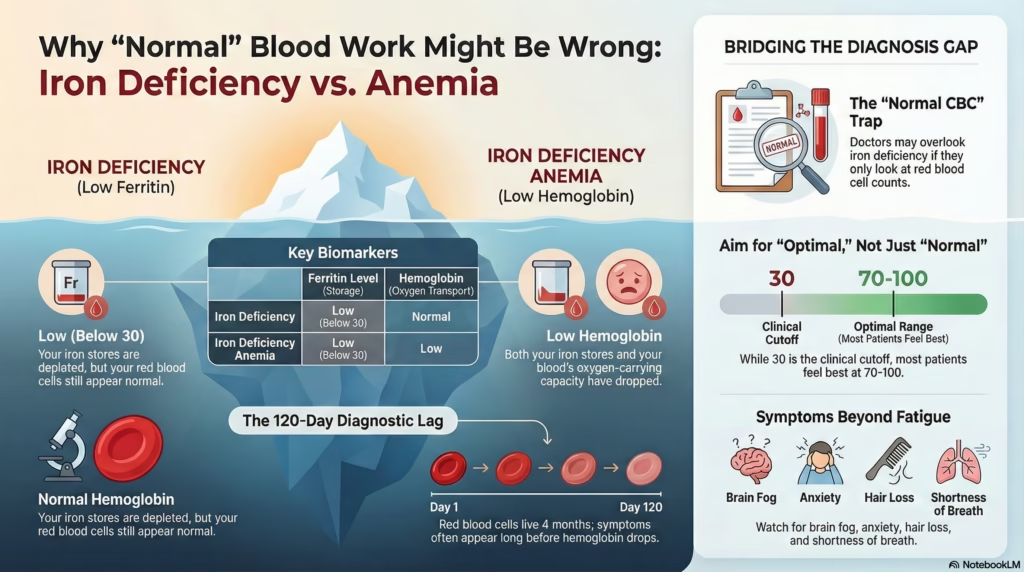
What many women don’t realize is that iron deficiency can exist on its own, long before anemia develops. You can have depleted iron stores, feel awful, and still be told your blood work is “normal.”
Iron deficiency usually develops gradually. At first, your body uses up stored iron (measured as ferritin). When those stores drop too low, symptoms begin—even if hemoglobin levels remain within the normal range.
Common Causes of Iron Deficiency in Women
Women are biologically more prone to iron deficiency for several reasons:
- Menstrual blood loss, especially with heavy or prolonged periods
- Pregnancy, when iron demands increase to support the growing baby
- Breastfeeding, which continues to draw on maternal iron stores
- Low dietary intake, particularly in vegetarian or vegan diets
- Poor absorption, caused by gut issues, celiac disease, IBS, or medications like antacids
- Frequent dieting or calorie restriction, which reduces iron intake
Over time, these factors can quietly deplete iron stores without obvious warning signs.
Early Symptoms of Iron Deficiency
Iron deficiency symptoms are often subtle and easy to dismiss:
- Persistent fatigue or low energy
- Brain fog, forgetfulness, or poor concentration
- Hair thinning or increased hair shedding
- Brittle nails or nail ridges
- Feeling cold more often than usual
- Reduced exercise tolerance
- Restless legs, especially at night
Because these symptoms overlap with stress, aging, or hormonal changes, iron deficiency is frequently overlooked in women.
What Is Anemia?
Anemia is a broader medical condition defined by a low level of hemoglobin or red blood cells, which reduces the blood’s ability to carry oxygen. While iron deficiency is the most common cause of anemia worldwide, it’s not the only one.
In simple terms:
- Iron deficiency is about low iron stores
- Anemia is about low oxygen-carrying capacity
Anemia represents a more advanced stage of deficiency or dysfunction, where the body can no longer produce enough healthy red blood cells.
Types of Anemia Common in Women
While iron deficiency anemia is the most common, women can experience other types:
- Iron deficiency anemia – caused by prolonged low iron
- Vitamin B12 deficiency anemia – affects nerve and brain function
- Folate deficiency anemia – common during pregnancy
- Anemia of chronic disease – linked to inflammation or autoimmune conditions
Each type requires a different treatment approach, which is why accurate diagnosis is critical.
Symptoms of Anemia in Women
Anemia symptoms tend to be more intense and disruptive than early iron deficiency:
- Extreme fatigue and weakness
- Shortness of breath, even with mild activity
- Pale skin or inner eyelids
- Dizziness or lightheadedness
- Heart palpitations or rapid heartbeat
- Headaches
- Chest discomfort in severe cases
By the time anemia develops, quality of life is often significantly affected.
Iron Deficiency vs. Anemia – Key Differences Explained
This is where most confusion happens. While related, iron deficiency and anemia are not interchangeable terms.
Is Iron Deficiency the Same as Anemia?
No. Iron deficiency is a cause, while anemia is a result.
You can be iron deficient without being anemic, but you cannot have iron deficiency anemia without iron deficiency. Think of iron deficiency as the warning phase and anemia as the outcome if the deficiency goes untreated.
Iron Deficiency Without Anemia in Women
This condition is far more common than many realize. A woman’s hemoglobin may appear “normal,” but her ferritin (iron storage) levels may be low. Unfortunately, many doctors focus only on hemoglobin, missing early iron depletion.
Women with iron deficiency without anemia may still experience:
- Exhaustion
- Hair loss
- Anxiety or low mood
- Poor sleep
- Reduced productivity
Catching iron deficiency at this stage allows for earlier, gentler intervention.
Causes Compared – Why Women Are Especially Vulnerable
Women’s iron needs fluctuate throughout life, making us uniquely susceptible.
- Monthly menstruation leads to ongoing iron loss
- Pregnancy increases iron needs by up to 50%
- Hormonal birth control can mask symptoms or affect absorption
- Inflammation and gut health issues interfere with iron uptake
- Societal dieting culture often results in inadequate nutrient intake
These overlapping factors mean women often become iron deficient gradually, without a clear single cause.
How Iron Deficiency and Anemia Are Diagnosed
Diagnosis requires more than a basic blood test.
Common Blood Tests Explained Simply
- Ferritin – measures stored iron (most important for early detection)
- Hemoglobin – measures oxygen-carrying capacity
- Hematocrit – percentage of red blood cells in blood
- Serum iron and transferrin saturation – assess iron availability
What Blood Levels Are Considered Low for Women?
- Ferritin below 30 ng/mL may indicate deficiency
- Many women feel best with ferritin above 50–70 ng/mL
- Hemoglobin below 12 g/dL is typically considered anemic
“Normal” lab ranges don’t always reflect optimal health, especially for women.
Treatment Differences Between Iron Deficiency and Anemia
Treatment depends on severity and underlying cause.
Treating Iron Deficiency
- Increasing iron-rich foods (red meat, liver, lentils, spinach)
- Pairing iron with vitamin C for better absorption
- Avoiding tea, coffee, and calcium around iron intake
- Low-dose iron supplements if needed
Treating Iron Deficiency Anemia
- Higher-dose oral iron supplementation
- Prescription iron formulations
- Iron infusions in severe or non-responsive cases
- Identifying and treating ongoing blood loss
Treating anemia without addressing the root cause often leads to relapse.
Can You Have Anemia Without Iron Deficiency?
Yes. Anemia can occur due to:
- Vitamin B12 or folate deficiency
- Chronic inflammation
- Kidney disease
- Genetic conditions
This is why self-supplementing iron without testing can be risky.
Long-Term Health Risks if Left Untreated
Untreated iron deficiency or anemia can lead to:
- Chronic fatigue and burnout
- Impaired cognitive function
- Reduced immune resilience
- Fertility challenges
- Pregnancy complications
- Increased cardiovascular strain
For women juggling work, family, and mental load, untreated iron issues quietly erode well-being.
When Should Women See a Doctor?
Seek testing if you experience:
- Persistent fatigue despite rest
- Hair loss or thinning
- Heavy or irregular periods
- Shortness of breath
- Poor exercise tolerance
Ask specifically for ferritin testing, not just hemoglobin.
Preventing Iron Deficiency and Anemia in Women
Prevention starts with awareness:
- Eat iron-rich, balanced meals
- Support gut health
- Monitor iron during pregnancy and heavy menstruation
- Avoid unnecessary restrictive diets
- Test iron levels periodically, especially if symptomatic
Small, consistent steps make a big difference.
Key Takeaways – Iron Deficiency vs. Anemia
- Iron deficiency and anemia are related but not the same
- Women can feel unwell long before anemia appears
- Ferritin is key for early detection
- Proper diagnosis prevents unnecessary suffering
- Early intervention protects long-term health
Understanding your iron status is not about labels—it’s about reclaiming energy, clarity, and quality of life.

Dr. Mamta Pattnayak is working as a Additional Director in Gynae and Obstetrics Dept. in Fortis Hospital, Gurgaon. Dr. Mamta Pattnayak is an MBBS graduate from S.C.B. Medical College, Cuttack and completed her MD (Obstetrics & Gynaecology) from Sambalpur University in 2003. With a rich experience of over years to her credit, Dr. Mamta has undergone training on advance lap Gynae by Ethicon. Done hand’s on Colposcopy course by RCOG. She is certified as a mentor in RCOG training course in Max Hospital Saket. Dr. Mamta has been associated with several organizations like Moolchand Hospital, New Delhi besides others. Her last assignment was at Max Super Specialty Hospital, Saket, New Delhi. Recently she has also started her private clinic at: Mother’s Touch HealthCare Centre: 395P, Sector 39 Rd, opposite to Medanta Hospital, near Gurudwara, Sector 39, Gurugram, Haryana 122004