By Dr. Mamta Pattnayak, Additional Director – Obstetrics & Gynaecology, Fortis Memorial Research Institute, Gurgaon
So Much Advice, So Much Confusion
Every new mother receives an outpouring of love, care—and advice. Especially about food.
From mothers-in-law to neighbors, everyone seems to have a special recipe or restriction for the days after delivery.
While these traditions come from genuine care, not all of them are medically accurate. Some may even delay recovery or affect your energy levels.
So, let’s clear the confusion and separate myths from facts about what you should (and shouldn’t) eat after childbirth.

Why Nutrition Matters After Delivery
Your body has gone through tremendous changes—pregnancy, labor, and possibly surgery. Now, it’s healing, producing milk, and adapting to new routines.
A balanced diet is your strongest ally.
It helps in:
- Rebuilding strength and repairing tissues
- Supporting breast milk production
- Preventing constipation and fatigue
- Boosting immunity
Key nutrients you need:
- Protein – for muscle repair (found in dal, eggs, fish, paneer)
- Iron – to recover from blood loss (found in spinach, jaggery, red meat)
- Calcium – for bones and lactation (found in milk, ragi, almonds)
- Water – to stay hydrated and maintain milk flow
Common Post-Delivery Food Myths — and the Truth Behind Them
Myth 1: “You should eat only hot foods and avoid cold ones.”
Many people believe that cold foods can cause cough, fever, or slow recovery.
Fact: The temperature of the food doesn’t affect your body’s healing or milk production. What matters is the nutritional value, not whether it’s hot or cold.
Feel free to enjoy a cool glass of milk or a fresh fruit salad!
Myth 2: “Avoid fruits and vegetables—they cause gas in the baby.”
It’s common to hear that eating certain fruits or vegetables makes the baby gassy.
Fact: There’s no scientific evidence for this. Fruits and veggies are full of vitamins, fiber, and antioxidants that aid digestion and prevent constipation—something every new mother needs.
Myth 3: “Drink lots of ghee to increase milk supply.”
Many new mothers are given heavy ghee-based foods after delivery.
Fact: Ghee adds calories but does not boost milk production. Instead, focus on a variety of foods, including proteins, whole grains, and fluids. Too much ghee can actually lead to unnecessary weight gain.
Myth 4: “Don’t drink too much water—it will cause swelling.”
Some women are advised to avoid water for fear of “water retention.”
Fact: The opposite is true. Water helps flush toxins, aids digestion, and supports milk production. Aim to drink 8–10 glasses a day, especially if you’re breastfeeding.
Myth 5: “Avoid spices or pulses.”
Many families restrict pulses or mildly spicy food, assuming it causes acidity or discomfort.
Fact: Well-cooked pulses are an excellent source of protein. Mild spices like cumin or turmeric are safe and can even help digestion. Only avoid foods that personally cause you discomfort.
Myth 6: “Stay away from fish, eggs, or non-veg food for 40 days.”
Fact: These foods are rich in protein, iron, and vitamin B12—all crucial for recovery. Unless you follow a vegetarian diet by choice, these can be safely included after delivery.
Myth 7: “You must eat for two while breastfeeding.”
Fact: You don’t need to double your food intake—just eat smarter. Breastfeeding increases your calorie needs slightly, but focus on quality nutrition over quantity.
What Should a New Mother Eat?
Here’s a simple, balanced postpartum diet plan to guide you:
- Breakfast: Oats with milk, fruits, or boiled eggs
- Mid-morning snack: Fresh fruit or dry fruits
- Lunch: Brown rice/roti with dal, vegetables, and curd
- Evening snack: Coconut water or homemade soup
- Dinner: Light khichdi, grilled fish/chicken, or lentil soup
- Hydration: 8–10 glasses of water or fluids throughout the day
Remember, the goal is not to “eat more,” but to eat right.
When to Consult Your Doctor or Dietitian
If you’re experiencing:
- Excessive tiredness
- Low milk supply
- Constipation or bloating
- Weight loss or gain beyond normal range
…it’s time to seek professional advice. Every woman’s body is different—personalized nutrition makes a big difference.
Conclusion: Trust Science, Respect Tradition
It’s natural for family members to share traditional tips—they care for you. But not all traditions suit every woman.
Listen with love, but verify with science.
The best postpartum diet is one that nourishes your body, heals your strength, and supports your baby’s growth.
So, eat mindfully, stay hydrated, and don’t hesitate to ask your doctor what’s right for you. 💖
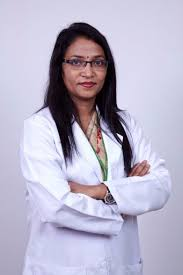
Dr. Mamta Pattnayak is working as a Additional Director in Gynae and Obstetrics Dept. in Fortis Hospital, Gurgaon. Dr. Mamta Pattnayak is an MBBS graduate from S.C.B. Medical College, Cuttack and completed her MD (Obstetrics & Gynaecology) from Sambalpur University in 2003. With a rich experience of over years to her credit, Dr. Mamta has undergone training on advance lap Gynae by Ethicon. Done hand’s on Colposcopy course by RCOG. She is certified as a mentor in RCOG training course in Max Hospital Saket. Dr. Mamta has been associated with several organizations like Moolchand Hospital, New Delhi besides others. Her last assignment was at Max Super Specialty Hospital, Saket, New Delhi. Recently she has also started her private clinic at: Mother’s Touch HealthCare Centre: 395P, Sector 39 Rd, opposite to Medanta Hospital, near Gurudwara, Sector 39, Gurugram, Haryana 122004