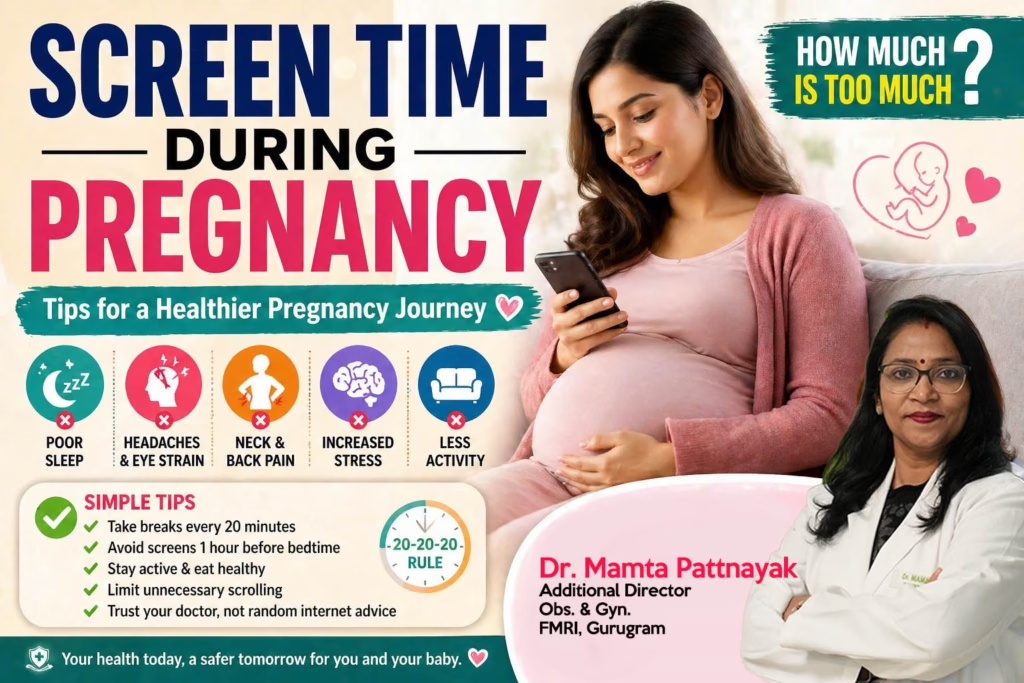
Today, screens are an inseparable part of our daily lives. Whether it’s checking messages, working on a laptop, watching videos, or searching for pregnancy-related information, most expectant mothers find themselves spending more time on screens than ever before.
During pregnancy, especially when you are resting more or limiting outdoor activities, it’s natural to turn to your phone or TV for comfort and information. But an important question arises:
How much screen time is too much during pregnancy? And can it affect your health or your baby?
Let’s understand this in a simple and practical way.
What Do We Mean by “Screen Time”?
Screen time includes any time spent using:
- Mobile phones
- Laptops or computers
- Tablets
- Television
This may be for:
- Work
- Social media
- Entertainment
- Searching health information
While screens are useful, excessive use can affect your physical comfort and mental well-being during pregnancy.
How Much Screen Time Is Too Much?
There is no strict number of hours that is “safe” or “unsafe.” However, the concern is continuous, uninterrupted usage.
Spending long hours—especially more than 2–3 hours at a stretch without breaks—can lead to discomfort and health issues.
Instead of focusing only on duration, it is better to focus on:
- Taking regular breaks
- Avoiding late-night screen exposure
- Maintaining a balanced daily routine
How Excessive Screen Time Affects You During Pregnancy
1. Physical Discomfort
Prolonged screen use can lead to:
- Eye strain and dryness
- Headaches
- Neck and back pain due to poor posture
- Reduced physical activity
Pregnancy already places extra strain on your body, and sitting for long hours can worsen these issues.
2. Sleep Disturbances
Using screens—especially at night—can interfere with your sleep.
- Blue light from screens reduces melatonin (the sleep hormone)
- This makes it harder to fall asleep
- Poor sleep can lead to fatigue, irritability, and reduced energy levels
Good sleep is essential for both maternal health and baby’s development.
3. Increased Anxiety and Information Overload
Many women turn to the internet to understand symptoms. While this can be helpful, excessive searching can create unnecessary worry.
- Reading too much conflicting information can increase anxiety
- Social media comparisons can lead to stress
- Not all online advice is reliable
It is always better to consult your doctor rather than rely on random online sources.
4. Reduced Physical Activity
Long hours on screens often mean less movement.
- Reduced activity can affect circulation
- It may contribute to weight gain, fatigue, and back pain
- Physical movement is important for a healthy pregnancy
Can Screen Time Affect the Baby?
This is a common concern among expecting mothers.
The good news is:
Screens themselves do not directly harm your baby.
However, excessive screen use can indirectly affect your pregnancy through:
- Poor sleep
- Increased stress
- Lack of physical activity
Maintaining a healthy routine benefits both you and your baby.
Signs You May Be Using Screens Too Much
Watch out for these signs:
- Difficulty falling asleep
- Frequent headaches or tired eyes
- Feeling anxious after browsing health content
- Sitting for long hours without movement
- Spending more time online than planned
If you notice these, it’s time to reduce and rebalance.
Simple Tips to Reduce Screen Time During Pregnancy
1. Take Regular Breaks
Follow the 20-20-20 rule:
Every 20 minutes, look at something 20 feet away for 20 seconds.
2. Avoid Screens Before Bedtime
Try to stop using screens at least 1 hour before sleep to improve sleep quality.
3. Create Screen-Free Time
Set aside specific times in the day where you stay away from devices.
4. Replace Screen Time with Healthier Activities
Instead of scrolling, try:
- Reading a book
- Gentle stretching or prenatal yoga
- Walking
- Listening to calming music or podcasts
5. Be Mindful of What You Watch and Read
- Avoid excessive Googling of symptoms
- Follow trusted medical sources
- Always confirm doubts with your doctor
6. If You Work on Screens
If your job requires screen use:
- Maintain proper posture
- Use a comfortable chair
- Take frequent breaks
- Use blue light filters
- Stay hydrated
When Should You Be Concerned?
You should consult your doctor if:
- Your sleep is severely disturbed
- You feel constantly anxious
- You have persistent headaches or body pain
- Screen use is affecting your daily routine
Balance Is the Key
In today’s world, avoiding screens completely is neither practical nor necessary.
The goal is balance, not restriction.
Use technology wisely, listen to your body, and make small adjustments to your routine. These simple steps can make your pregnancy journey more comfortable, peaceful, and healthy.
Remember, taking care of yourself is the best way to take care of your baby.

Dr. Mamta Pattnayak is working as a Additional Director in Gynae and Obstetrics Dept. in Fortis Hospital, Gurgaon. Dr. Mamta Pattnayak is an MBBS graduate from S.C.B. Medical College, Cuttack and completed her MD (Obstetrics & Gynaecology) from Sambalpur University in 2003. With a rich experience of over years to her credit, Dr. Mamta has undergone training on advance lap Gynae by Ethicon. Done hand’s on Colposcopy course by RCOG. She is certified as a mentor in RCOG training course in Max Hospital Saket. Dr. Mamta has been associated with several organizations like Moolchand Hospital, New Delhi besides others. Her last assignment was at Max Super Specialty Hospital, Saket, New Delhi. Recently she has also started her private clinic at: Mother’s Touch HealthCare Centre: 395P, Sector 39 Rd, opposite to Medanta Hospital, near Gurudwara, Sector 39, Gurugram, Haryana 122004