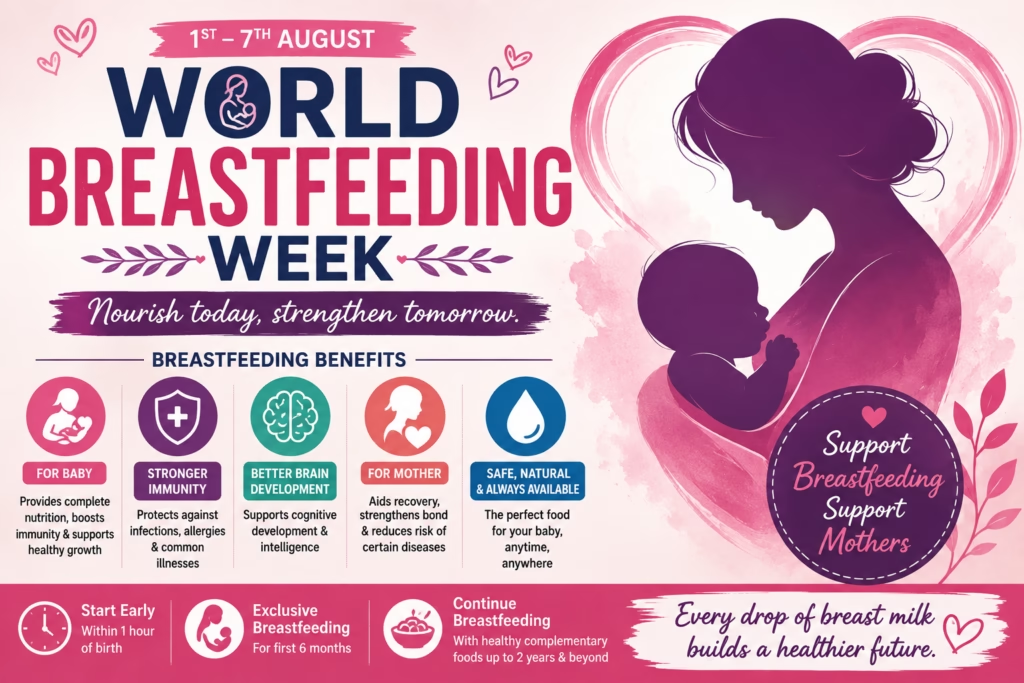
Supporting Mothers, Nourishing Babies, Building a Healthier Future
Every year, World Breastfeeding Week, observed from 1st to 8th August, reminds us of one of the most natural and powerful ways to give a baby the healthiest possible start in life. It is a global campaign that promotes awareness about the importance of breastfeeding and encourages families, healthcare professionals, employers, and communities to support breastfeeding mothers.
As an Obstetrician and Gynaecologist, I often meet new mothers who are excited about breastfeeding but also have many questions. Some worry whether they are producing enough milk, while others find breastfeeding painful or challenging in the beginning. These concerns are completely normal.
Breastfeeding is a learning journey for both mother and baby. With the right guidance, patience, and support, most mothers can successfully breastfeed and enjoy the many health benefits it offers.
This World Breastfeeding Week, let us celebrate every mother’s effort and understand why breastfeeding remains the gold standard for infant nutrition.
What Is World Breastfeeding Week?
World Breastfeeding Week is a worldwide health campaign observed every year during the first week of August. It aims to raise awareness about the importance of breastfeeding and to encourage policies and practices that support mothers in breastfeeding their babies.
Healthcare organizations around the world use this week to educate families about:
- The benefits of breastfeeding
- Early initiation of breastfeeding
- Exclusive breastfeeding for the first six months
- Continued breastfeeding alongside complementary foods
- Creating supportive environments for breastfeeding mothers
The goal is simple: healthier mothers, healthier babies, and healthier communities.
Why Is Breastfeeding So Important?
Breast milk is often called nature’s perfect food because it contains everything a baby needs for healthy growth and development during the first six months of life.
Unlike formula milk, breast milk is a living fluid that changes according to your baby’s needs. It provides the right balance of nutrients, antibodies, enzymes, hormones, and immune factors that cannot be completely replicated.
Breastfeeding is not just about nutrition—it also strengthens the emotional bond between mother and baby.
Benefits of Breastfeeding for Your Baby
One of the greatest gifts you can offer your newborn is breast milk.
Breastfeeding provides complete nutrition, including proteins, healthy fats, vitamins, minerals, and water in the right proportions. As your baby grows, the composition of breast milk changes naturally to meet changing nutritional needs.
Breastfed babies are generally better protected against many common illnesses because breast milk contains antibodies that strengthen the developing immune system.
Research has shown that breastfeeding may help reduce the risk of:
- Ear infections
- Chest infections
- Diarrhoea
- Gastrointestinal infections
- Certain allergies
- Childhood obesity
- Type 2 diabetes later in life
Breastfeeding also supports healthy brain development, which may contribute to improved cognitive development and learning.
Benefits of Breastfeeding for Mothers
Breastfeeding is equally beneficial for mothers.
Immediately after childbirth, breastfeeding stimulates the release of oxytocin, a hormone that helps the uterus contract and return to its normal size. This also helps reduce postpartum bleeding.
Over the long term, breastfeeding has been associated with a lower risk of:
- Breast cancer
- Ovarian cancer
- Type 2 diabetes
- High blood pressure
Many mothers also find that breastfeeding, combined with a healthy diet and regular physical activity, helps them gradually return to their pre-pregnancy weight.
Perhaps one of the most rewarding benefits is the emotional connection that develops between mother and baby during breastfeeding.
The Importance of Colostrum: Your Baby’s First Vaccine
One of the most remarkable aspects of breastfeeding is colostrum, often referred to as “liquid gold.”
Colostrum is the thick, yellowish milk produced during the first few days after delivery.
Although it is produced in small amounts, it is packed with:
- Antibodies
- White blood cells
- Growth factors
- Essential nutrients
Colostrum helps protect newborns from infections while their immune system is still developing.
Whenever possible, mothers are encouraged to initiate breastfeeding within the first hour after birth, as early breastfeeding offers important health benefits for both mother and baby.
What Does Exclusive Breastfeeding Mean?
Exclusive breastfeeding means feeding your baby only breast milk for the first six months of life, unless your doctor advises otherwise.
During this period, babies generally do not need:
- Water
- Honey
- Animal milk
- Formula milk
- Juice
- Solid foods
After six months, complementary foods can be introduced while continuing breastfeeding for up to two years or beyond, depending on the needs of the mother and child.
Common Breastfeeding Challenges
Although breastfeeding is natural, it does not always come naturally.
Many mothers experience difficulties during the first few days or weeks.
Common challenges include:
- Difficulty getting the baby to latch properly
- Sore or cracked nipples
- Breast engorgement
- Concerns about milk supply
- Fatigue
- Breastfeeding after a Caesarean section
- Returning to work while continuing breastfeeding
The important thing to remember is that these challenges are usually temporary and can often be resolved with proper guidance.
Seeking help early from your healthcare provider or a lactation consultant can make a significant difference.
How to Make Breastfeeding Easier
Successful breastfeeding often begins with good preparation and realistic expectations.
Feed your baby whenever they show signs of hunger rather than waiting for a strict schedule. Babies naturally feed frequently, especially during the first few weeks.
A proper latch is essential for comfortable breastfeeding and effective milk transfer. If breastfeeding is painful beyond the initial few seconds, ask your healthcare provider to observe the baby’s positioning.
Stay well hydrated and eat a balanced diet rich in:
- Protein
- Calcium
- Iron
- Whole grains
- Fresh fruits
- Vegetables
Adequate rest is also important because your body is recovering from childbirth while producing milk for your baby.
Common Breastfeeding Myths
Many misconceptions continue to discourage mothers from breastfeeding.
One common myth is that small breasts cannot produce enough milk. In reality, breast size has very little to do with milk production.
Another myth is that formula milk is always equal to breast milk. While infant formula is an important option when breastfeeding is not possible, breast milk remains the recommended first choice because of its unique immune and nutritional benefits.
Some mothers also believe they should stop breastfeeding if they catch a cold. In most cases, breastfeeding should continue, as your body produces antibodies that help protect your baby from the infection.
Many women think they need to drink milk to produce breast milk. A healthy, balanced diet and adequate hydration are far more important than any single food or drink.
Breastfeeding After a Caesarean Section
Many mothers worry that they will not be able to breastfeed after a C-section.
Fortunately, most women can successfully breastfeed after a Caesarean delivery.
It may take a little extra support with positioning because of the surgical incision, but early skin-to-skin contact and assistance from healthcare professionals can help establish breastfeeding successfully.
Breastfeeding and Returning to Work
Returning to work does not necessarily mean the end of breastfeeding.
Many mothers successfully continue breastfeeding by expressing and safely storing breast milk.
Planning ahead, learning proper storage techniques, and discussing workplace support can make the transition much easier.
Even partial breastfeeding continues to provide valuable health benefits for your baby.
What Should Breastfeeding Mothers Eat?
Breastfeeding mothers do not need a special diet, but they do need a nutritious one.
A healthy eating plan should include:
- Lean proteins
- Whole grains
- Fresh fruits
- Green leafy vegetables
- Dairy or calcium-rich alternatives
- Healthy fats
Drink plenty of water throughout the day, especially after breastfeeding sessions.
If you are taking any medications or herbal supplements, always consult your doctor to ensure they are safe during breastfeeding.
When Should You Seek Medical Advice?
Breastfeeding should become more comfortable over time.
Please consult your doctor if:
- Your baby has difficulty latching
- Your baby is not gaining weight
- You have severe nipple pain
- Your breasts become red, swollen, or painful
- You develop fever
- You are concerned about your milk supply
Early support often prevents small issues from becoming bigger problems.
How Families Can Support Breastfeeding Mothers
Breastfeeding is not solely the mother’s responsibility—it thrives with the support of those around her.
Partners, grandparents, relatives, and friends can make a meaningful difference by:
- Offering encouragement
- Helping with household chores
- Caring for the baby between feeds
- Ensuring the mother has time to rest
- Creating a calm and supportive environment
When families work together, breastfeeding becomes a more positive and sustainable experience.
Every Mother’s Journey Is Different
It is important to remember that every breastfeeding journey is unique.
Some mothers breastfeed easily from the beginning, while others need additional time and support. Certain medical conditions may also affect breastfeeding.
The goal is not perfection—it is providing the best possible care for both mother and baby.
Mothers should never feel guilty for asking for help.
World Breastfeeding Week is a reminder that breastfeeding is more than just feeding a baby—it is an investment in lifelong health.
Breastfeeding nourishes, protects, comforts, and strengthens the bond between a mother and her child. While the journey may have its challenges, the benefits for both mother and baby are truly remarkable.
If you are pregnant or have recently welcomed your baby and have questions about breastfeeding, remember that you do not have to navigate this journey alone. Your healthcare team is here to guide and support you every step of the way.
This World Breastfeeding Week, let us celebrate every mother who chooses to breastfeed, support those who face challenges, and work together to create a healthier future for every child.
Most frequently asked questions:
1. How long should exclusive breastfeeding continue?
Exclusive breastfeeding is generally recommended for the first six months of life, unless advised otherwise by your healthcare provider. After six months, complementary foods can be introduced while continuing breastfeeding.
2. Can I breastfeed after a Caesarean section?
Yes. Most mothers can successfully breastfeed after a C-section with the right positioning, early support, and guidance from healthcare professionals.
3. How do I know if my baby is getting enough breast milk?
Signs include regular wet diapers, steady weight gain, feeding 8–12 times in 24 hours during the newborn period, and appearing satisfied after feeds. Your paediatrician can help assess whether your baby is feeding well.
4. What should I do if breastfeeding is painful?
Some initial tenderness can be normal, but persistent pain is not. Pain often indicates a poor latch or another issue that should be evaluated by your doctor or a lactation consultant.
5. Can I continue breastfeeding if I return to work?
Yes. Many mothers continue breastfeeding by expressing and safely storing breast milk. Planning ahead and having workplace support can make breastfeeding and returning to work compatible.
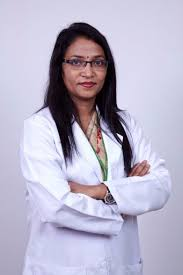
Dr. Mamta Pattnayak is working as a Additional Director in Gynae and Obstetrics Dept. in Fortis Hospital, Gurgaon. Dr. Mamta Pattnayak is an MBBS graduate from S.C.B. Medical College, Cuttack and completed her MD (Obstetrics & Gynaecology) from Sambalpur University in 2003. With a rich experience of over years to her credit, Dr. Mamta has undergone training on advance lap Gynae by Ethicon. Done hand’s on Colposcopy course by RCOG. She is certified as a mentor in RCOG training course in Max Hospital Saket. Dr. Mamta has been associated with several organizations like Moolchand Hospital, New Delhi besides others. Her last assignment was at Max Super Specialty Hospital, Saket, New Delhi. Recently she has also started her private clinic at: Mother’s Touch HealthCare Centre: 395P, Sector 39 Rd, opposite to Medanta Hospital, near Gurudwara, Sector 39, Gurugram, Haryana 122004