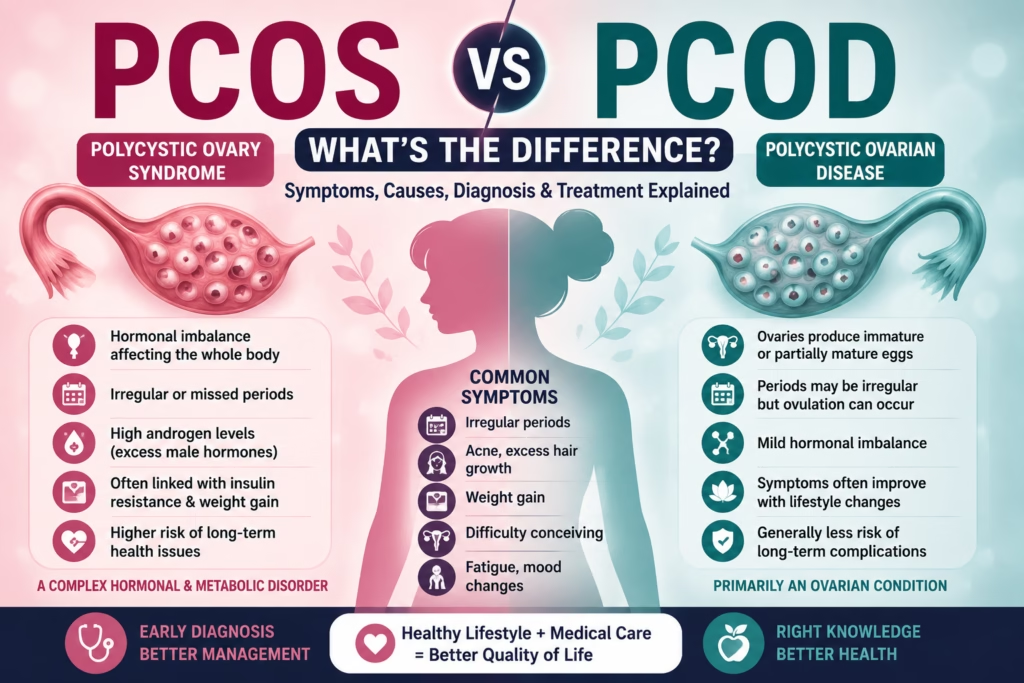
One of the most common questions I hear in my clinic is:
“Doctor, do I have PCOS or PCOD? Are they the same?”
Many women use the terms PCOS (Polycystic Ovary Syndrome) and PCOD (Polycystic Ovarian Disease) interchangeably. While they are closely related and share several symptoms, they are not exactly the same condition.
Understanding the difference between PCOS and PCOD is important because it influences treatment, fertility planning, long-term health, and lifestyle modifications. Both conditions are among the leading causes of irregular periods, hormonal imbalance, weight gain, acne, excessive hair growth, and infertility in women of reproductive age.
The good news is that with early diagnosis, appropriate medical care, and healthy lifestyle changes, both PCOS and PCOD can be effectively managed, allowing most women to lead healthy lives and achieve successful pregnancies when they are ready.
In this article, we’ll explore the difference between PCOS and PCOD, their symptoms, causes, diagnosis, treatment options, and when you should consult a gynaecologist.
What Is PCOD?
Polycystic Ovarian Disease (PCOD) is a condition in which the ovaries produce immature or partially mature eggs that do not develop normally.
Instead of being released during ovulation, these immature follicles remain inside the ovaries and may appear as multiple small cysts on an ultrasound scan.
Over time, the ovaries may become slightly enlarged and produce higher-than-normal levels of male hormones (androgens), which can disrupt the menstrual cycle.
Although the word “disease” is part of its name, PCOD is generally considered a hormonal and metabolic condition that can often be controlled with lifestyle changes and medical treatment.
Many women with PCOD continue to ovulate occasionally and may become pregnant naturally.
What Is PCOS?
Polycystic Ovary Syndrome (PCOS) is a more complex hormonal disorder that affects not only the ovaries but also the body’s metabolism and endocrine system.
In women with PCOS, hormonal imbalance interferes with regular ovulation. The ovaries may produce higher amounts of androgens (male hormones), making it difficult for eggs to mature and be released each month.
PCOS is considered a syndrome because it involves multiple body systems and presents with a combination of symptoms rather than a single disease process.
Besides affecting menstrual cycles, PCOS increases the risk of several long-term health conditions, including:
- Type 2 diabetes
- Insulin resistance
- High cholesterol
- High blood pressure
- Sleep apnea
- Endometrial hyperplasia and, in some cases, endometrial cancer
- Cardiovascular disease
Because PCOS has broader health implications, it often requires long-term medical follow-up.
PCOS vs PCOD: Why Is There So Much Confusion?
The confusion exists because both conditions share many common features.
Women with either PCOS or PCOD may experience:
- Irregular or missed periods
- Acne
- Weight gain
- Excess facial or body hair
- Difficulty conceiving
- Polycystic ovaries on ultrasound
In many countries, especially in India, the terms are often used interchangeably in everyday conversations.
However, from a medical perspective, PCOS is generally considered a more significant endocrine disorder, whereas PCOD usually describes changes in the ovaries that may not always involve the broader hormonal and metabolic abnormalities seen in PCOS.
What Causes PCOS and PCOD?
The exact cause of both conditions is still being studied, but several factors are known to contribute.
Hormonal Imbalance
Both PCOS and PCOD involve disturbances in reproductive hormones that affect ovulation and menstrual cycles.
Insulin Resistance
One of the hallmark features of PCOS is insulin resistance.
Insulin is the hormone that helps regulate blood sugar levels. When the body’s cells become resistant to insulin, the pancreas produces more of it. Elevated insulin levels can stimulate the ovaries to produce more androgens, worsening hormonal imbalance and disrupting ovulation.
Not every woman with PCOD has insulin resistance, but it is very common in PCOS.
Genetics
PCOS often runs in families.
If your mother, sister, or close female relative has PCOS, your chances of developing it are higher.
Lifestyle Factors
Although lifestyle alone does not cause PCOS or PCOD, it can significantly influence symptom severity.
Factors such as:
- Physical inactivity
- Weight gain
- Poor dietary habits
- Chronic stress
- Inadequate sleep
may worsen hormonal imbalance and metabolic health.
Symptoms of PCOS and PCOD
The symptoms vary from woman to woman, and some may experience only a few while others have several.
Common symptoms include:
- Irregular menstrual periods
- Missed periods
- Heavy or prolonged menstrual bleeding
- Difficulty getting pregnant
- Acne and oily skin
- Excess facial or body hair (hirsutism)
- Hair thinning or hair loss on the scalp
- Weight gain, especially around the abdomen
- Darkening of the skin around the neck or underarms (acanthosis nigricans)
- Fatigue
- Mood changes
In PCOS, these symptoms are often more persistent and may be associated with metabolic complications.
Can You Have Polycystic Ovaries Without PCOS?
Yes.
This is an important distinction.
Some women have ovaries that appear polycystic on ultrasound but:
- Have regular menstrual cycles
- Ovulate normally
- Have normal hormone levels
- Experience no symptoms
In these cases, the ultrasound finding alone does not mean they have PCOS.
A diagnosis of PCOS requires a combination of clinical symptoms, hormone evaluation, and imaging findings.
How Are PCOS and PCOD Diagnosed?
There is no single test that confirms PCOS or PCOD.
Diagnosis involves a careful assessment of your symptoms, medical history, physical examination, blood tests, and imaging.
Your doctor may recommend:
- Pelvic ultrasound
- Hormonal blood tests
- Blood sugar testing
- Insulin level assessment
- Thyroid function tests
- Prolactin levels
- Lipid profile
For PCOS, many clinicians use the Rotterdam criteria, which require at least two of the following:
- Irregular or absent ovulation
- Clinical or laboratory evidence of excess androgens
- Polycystic ovaries on ultrasound
Other conditions that can mimic PCOS are ruled out before confirming the diagnosis.
How Does PCOS Affect Fertility?
PCOS is one of the most common causes of anovulation, meaning the ovaries do not release an egg regularly.
Without regular ovulation, pregnancy becomes more difficult.
However, PCOS does not mean infertility.
Many women with PCOS conceive naturally or with the help of lifestyle modifications, medications, or fertility treatments.
Women with PCOD may also experience fertility challenges, but many continue to ovulate intermittently and may have fewer difficulties conceiving.
Can PCOS or PCOD Be Cured?
There is currently no permanent cure for PCOS or PCOD.
However, both conditions can be effectively managed.
The treatment plan depends on:
- Age
- Symptoms
- Weight
- Fertility goals
- Presence of insulin resistance or other health conditions
With appropriate management, many women experience significant improvement in symptoms and overall health.
Treatment Options for PCOS and PCOD
Treatment is personalized and may include lifestyle modifications, medications, and, when needed, fertility support.
Lifestyle changes such as maintaining a healthy weight, following a balanced diet, engaging in regular physical activity, managing stress, and getting adequate sleep are often the foundation of treatment. Even modest weight loss can improve hormone balance and restore ovulation in some women.
Depending on your symptoms and reproductive plans, your doctor may also prescribe medications to regulate menstrual cycles, improve insulin sensitivity, reduce excess androgen levels, or induce ovulation if pregnancy is desired.
For women who are trying to conceive and do not respond to initial treatments, assisted reproductive techniques such as intrauterine insemination (IUI) or in vitro fertilization (IVF) may be considered.
Long-Term Health Risks of PCOS
Because PCOS affects multiple body systems, it requires ongoing medical care.
Women with PCOS have a higher risk of:
- Type 2 diabetes
- High blood pressure
- Elevated cholesterol
- Heart disease
- Obesity
- Fatty liver disease
- Sleep disorders
- Anxiety and depression
- Endometrial hyperplasia due to prolonged irregular periods
Regular health check-ups can help identify and manage these risks early.
When Should You See a Gynaecologist?
You should consult a specialist if you experience:
- Irregular or absent periods
- Difficulty becoming pregnant
- Excess facial hair or severe acne
- Rapid weight gain
- Hair thinning
- Persistent pelvic pain
- Heavy or prolonged menstrual bleeding
Early diagnosis can help prevent complications and improve treatment outcomes.
Myths About PCOS and PCOD
Many misconceptions surround these conditions. It is important to understand that PCOS and PCOD are manageable, and a diagnosis does not define your future.
Having PCOS does not automatically mean you will never become pregnant. Likewise, being diagnosed with PCOD does not mean surgery is inevitable. Both conditions respond well to individualized treatment plans, healthy lifestyle habits, and regular medical follow-up.
Although PCOS and PCOD are often used interchangeably, they are not identical. PCOD primarily affects the ovaries and may be easier to manage with lifestyle modifications and appropriate treatment. PCOS is a broader hormonal and metabolic syndrome that can have long-term effects on fertility and overall health if left untreated.
The most important message is this: both conditions are manageable. With timely diagnosis, evidence-based treatment, and healthy lifestyle choices, most women can control their symptoms, protect their reproductive health, and enjoy a good quality of life.
If you notice irregular periods, persistent acne, unwanted hair growth, unexplained weight gain, or difficulty conceiving, don’t ignore these signs. Seeking expert medical advice early can help you receive the right diagnosis and treatment.
Frequently Asked Questions (FAQs)
Is PCOS more serious than PCOD?
PCOS is generally considered a more complex hormonal and metabolic syndrome because it affects multiple body systems and is associated with long-term health risks. PCOD is often limited to ovarian dysfunction and may respond well to lifestyle modifications.
Can I get pregnant if I have PCOS or PCOD?
Yes. Many women with PCOS or PCOD conceive naturally or with fertility treatment. Early evaluation and appropriate management can significantly improve the chances of pregnancy.
Can weight loss cure PCOS?
Weight loss does not cure PCOS, but it can improve hormone balance, restore ovulation in some women, and reduce symptoms such as irregular periods and insulin resistance.
Do all women with polycystic ovaries have PCOS?
No. Some women have polycystic-appearing ovaries on ultrasound but have regular periods, normal hormone levels, and no symptoms. An ultrasound alone is not enough to diagnose PCOS.
Can PCOS or PCOD return after treatment?
These conditions are long-term hormonal disorders. Symptoms can improve significantly with treatment and lifestyle changes, but they may recur if treatment is stopped or underlying factors such as weight gain or insulin resistance are not managed.

Dr. Mamta Pattnayak is working as a Additional Director in Gynae and Obstetrics Dept. in Fortis Hospital, Gurgaon. Dr. Mamta Pattnayak is an MBBS graduate from S.C.B. Medical College, Cuttack and completed her MD (Obstetrics & Gynaecology) from Sambalpur University in 2003. With a rich experience of over years to her credit, Dr. Mamta has undergone training on advance lap Gynae by Ethicon. Done hand’s on Colposcopy course by RCOG. She is certified as a mentor in RCOG training course in Max Hospital Saket. Dr. Mamta has been associated with several organizations like Moolchand Hospital, New Delhi besides others. Her last assignment was at Max Super Specialty Hospital, Saket, New Delhi. Recently she has also started her private clinic at: Mother’s Touch HealthCare Centre: 395P, Sector 39 Rd, opposite to Medanta Hospital, near Gurudwara, Sector 39, Gurugram, Haryana 122004