Many women are told that painful periods are simply a part of being a woman. They learn to live with severe cramps, missed workdays, fatigue, and discomfort because they believe it is normal.
However, if your period pain is severe enough to disrupt your daily life, it should never be ignored.
One common but often overlooked cause of chronic pelvic pain is endometriosis. Despite affecting millions of women worldwide, endometriosis frequently goes undiagnosed for years. Many women visit multiple doctors before receiving an accurate diagnosis.
The good news is that advances in medical imaging and treatment options are making it easier than ever to identify and manage this condition without immediately resorting to surgery.
Let’s explore what endometriosis is, how it is diagnosed, and the treatment options available today.
What Is Endometriosis?
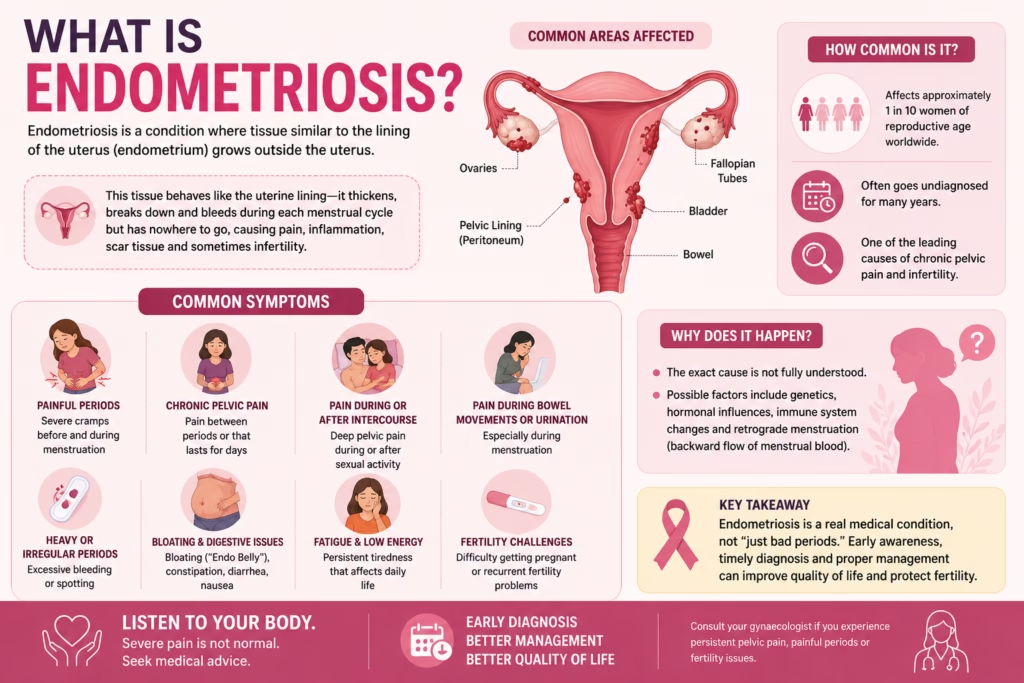
Endometriosis is a condition in which tissue similar to the lining of the uterus (endometrium) grows outside the uterus.
These growths may develop on:
- Ovaries
- Fallopian tubes
- Pelvic lining
- Bladder
- Bowel
- Ligaments supporting the uterus
Just like the uterine lining, this tissue responds to monthly hormonal changes. It can thicken, bleed, and cause inflammation during the menstrual cycle.
However, unlike menstrual blood that leaves the body through the vagina, blood from endometriosis lesions has nowhere to go. This can lead to:
- Inflammation
- Scar tissue formation
- Adhesions
- Chronic pain
- Fertility problems
How Common Is Endometriosis?
Endometriosis affects approximately 1 in 10 women of reproductive age.
Despite being common, diagnosis is often delayed by several years because symptoms are frequently mistaken for:
- Normal menstrual pain
- Irritable bowel syndrome (IBS)
- Urinary conditions
- Stress-related discomfort
Common Symptoms of Endometriosis
Symptoms vary from woman to woman. Some women have extensive disease with little pain, while others have severe symptoms despite minimal visible disease.
1. Severe Period Pain
This is one of the most common symptoms.
Unlike ordinary menstrual cramps, endometriosis pain:
- Begins before periods start
- May continue throughout menstruation
- Can interfere with work, school, and daily activities
2. Chronic Pelvic Pain
Pain may occur:
- Between periods
- During physical activity
- During daily routines
Many women describe it as a constant dull ache or pressure in the pelvis.
3. Pain During Intercourse
Deep pelvic pain during or after intercourse can be a significant sign of endometriosis.
Unfortunately, many women hesitate to discuss this symptom, delaying diagnosis.
4. Pain During Bowel Movements or Urination
Particularly during menstruation, some women experience:
- Pain while passing stools
- Pain during urination
- Rectal discomfort
5. Heavy or Irregular Periods
Some women may experience:
- Excessive bleeding
- Spotting between periods
- Longer menstrual cycles
6. Bloating and Digestive Symptoms
Many patients experience what is commonly called “Endo Belly.”
Symptoms include:
- Abdominal bloating
- Constipation
- Diarrhea
- Nausea
- Digestive discomfort
7. Difficulty Getting Pregnant
Endometriosis is one of the leading causes of female infertility.
Inflammation and scarring may affect:
- Ovulation
- Egg quality
- Fallopian tube function
- Implantation
Why Is Endometriosis Often Missed?
Several factors contribute to delayed diagnosis:
Pain Is Normalized
Women are often told:
- “Periods are supposed to hurt.”
- “You’ll grow out of it.”
Severe pain should never be dismissed.
Symptoms Mimic Other Conditions
Endometriosis can resemble:
- IBS
- Pelvic inflammatory disease
- Bladder disorders
- Ovarian cysts
Symptoms Vary Widely
No two women experience endometriosis in exactly the same way.
Modern Non-Invasive Diagnostic Methods
Historically, surgery was often required to confirm endometriosis. Today, advances in imaging allow us to identify many cases without immediate surgery.
1. Detailed Medical History
The diagnostic process begins with a conversation.
Your doctor may ask about:
- Menstrual patterns
- Severity of pain
- Fertility concerns
- Family history
This information often provides important clues.
2. Pelvic Examination
A pelvic examination may help identify:
- Tender areas
- Pelvic masses
- Scar tissue
- Fixed pelvic organs
Although not definitive, it remains an important part of evaluation.
3. Ultrasound Imaging
Ultrasound is usually the first imaging test performed.
What Can Ultrasound Detect?
- Ovarian endometriomas (“chocolate cysts”)
- Large endometriosis lesions
- Pelvic abnormalities
Benefits
- Non-invasive
- Widely available
- No radiation
- Relatively affordable
For many women, ultrasound provides valuable information without discomfort.
4. MRI (Magnetic Resonance Imaging)
MRI offers more detailed images of the pelvis.
It may be recommended when:
- Deep infiltrating endometriosis is suspected
- Symptoms are severe
- Surgery is being considered
Advantages
- Excellent soft tissue visualization
- Detailed mapping of disease extent
- Helps guide treatment planning
5. Emerging Diagnostic Technologies
Research is rapidly advancing.
Potential future tools include:
- Blood biomarkers
- AI-assisted imaging
- Advanced ultrasound techniques
These innovations may make diagnosis faster and less invasive.
Is Surgery Always Needed for Diagnosis?
Not necessarily.
In the past, laparoscopy was considered the “gold standard” for diagnosis.
Today, many women can begin treatment based on:
- Symptoms
- Clinical examination
- Imaging findings
Surgery is generally reserved for:
- Unclear cases
- Severe symptoms
- Fertility concerns
- Suspected advanced disease
Endometriosis Management: A Personalized Approach
There is no one-size-fits-all treatment.
Management depends on:
- Age
- Severity of symptoms
- Fertility goals
- Extent of disease
1. Pain Management
Pain control may involve:
- Anti-inflammatory medications
- Pain-relief medicines
These help improve quality of life and daily functioning.
2. Hormonal Treatments
Because endometriosis is influenced by hormones, hormonal therapy is often highly effective.
Treatment Options Include:
- Birth control pills
- Progesterone therapy
- Hormonal intrauterine devices (IUDs)
- GnRH analogues
These treatments help:
- Reduce pain
- Suppress lesion activity
- Slow disease progression
3. Lifestyle Modifications
Lifestyle changes cannot cure endometriosis but may significantly improve symptoms.
Nutrition
Many women benefit from:
- Anti-inflammatory diets
- Increased fruits and vegetables
- Omega-3-rich foods
- Reduced processed foods
Exercise
Regular physical activity can:
- Improve circulation
- Reduce inflammation
- Enhance mood
- Help manage pain
Stress Management
Chronic pain can affect emotional well-being.
Helpful strategies include:
- Yoga
- Meditation
- Breathing exercises
- Counseling when needed
4. Fertility-Focused Treatment
For women trying to conceive, management may include:
- Ovulation support
- Fertility medications
- IUI
- IVF
Many women with endometriosis successfully achieve pregnancy with appropriate treatment.
5. Surgical Management
Surgery may be recommended when:
- Pain is severe
- Large cysts are present
- Fertility is affected
- Medical treatment is ineffective
Modern surgical approaches aim to:
- Remove disease
- Preserve fertility
- Minimize recurrence
Can Endometriosis Be Cured?
Currently, there is no permanent cure.
However, effective treatment can:
- Control symptoms
- Improve quality of life
- Protect fertility
- Reduce disease progression
Many women live active, healthy lives with proper management.
When Should You See a Gynaecologist?
Please seek medical advice if you experience:
- Severe period pain
- Chronic pelvic pain
- Pain during intercourse
- Heavy menstrual bleeding
- Difficulty conceiving
- Symptoms affecting daily life
Early diagnosis can prevent years of unnecessary suffering.
Final Thoughts
Endometriosis is a common condition, but it should never be considered “normal.”
If your periods leave you unable to function, if pelvic pain is becoming part of your daily life, or if you’re struggling to conceive, your body may be trying to tell you something important.
Today, advances in non-invasive diagnostics, including ultrasound and MRI, allow earlier detection than ever before. Combined with personalized treatment plans, these tools are helping women manage endometriosis more effectively and preserve their quality of life.
Remember: painful periods may be common, but they are not always normal. Seeking help early can make all the difference.
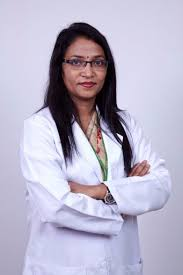
Dr. Mamta Pattnayak is working as a Additional Director in Gynae and Obstetrics Dept. in Fortis Hospital, Gurgaon. Dr. Mamta Pattnayak is an MBBS graduate from S.C.B. Medical College, Cuttack and completed her MD (Obstetrics & Gynaecology) from Sambalpur University in 2003. With a rich experience of over years to her credit, Dr. Mamta has undergone training on advance lap Gynae by Ethicon. Done hand’s on Colposcopy course by RCOG. She is certified as a mentor in RCOG training course in Max Hospital Saket. Dr. Mamta has been associated with several organizations like Moolchand Hospital, New Delhi besides others. Her last assignment was at Max Super Specialty Hospital, Saket, New Delhi. Recently she has also started her private clinic at: Mother’s Touch HealthCare Centre: 395P, Sector 39 Rd, opposite to Medanta Hospital, near Gurudwara, Sector 39, Gurugram, Haryana 122004